Essay
Restraint
I grew up on a sheep farm in Southland, New Zealand. The first place I learned anything about product design was my father's workshop.
He built the workshop so he could repair vehicles and machines, and build contraptions of his own design. On a farm, you have to. It's a harsh place to work. In winter there can be two feet of snow; in summer, a drought that lasts for months. Tractors, pickups, motorbikes, shearing machines, mowers, sprayers, scales and ramps all take a beating, and they all break.
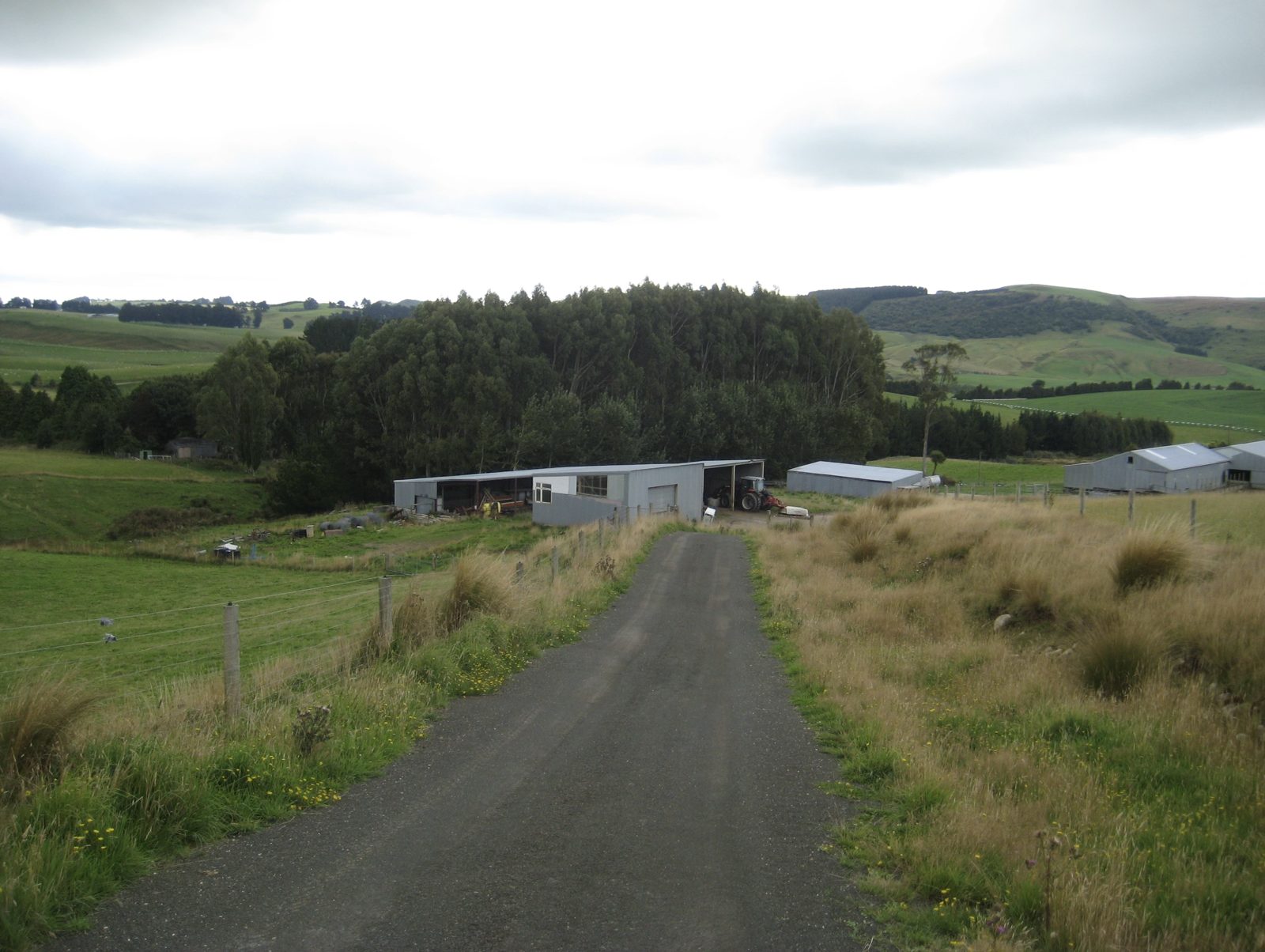
When I was young I'd help him fix them: holding things, wrenching things, hammering things, cursing things. That was when the machines were still fixable. My dad could prop a tractor up on winches and jacks, split it in half and replace the enormous clutch himself.
That's changing. The newest tractors are more capable and far more complex, and now a specialist mechanic drives out from the nearest town to work on them.
Tools and machines
The workshop taught me a distinction I still use.
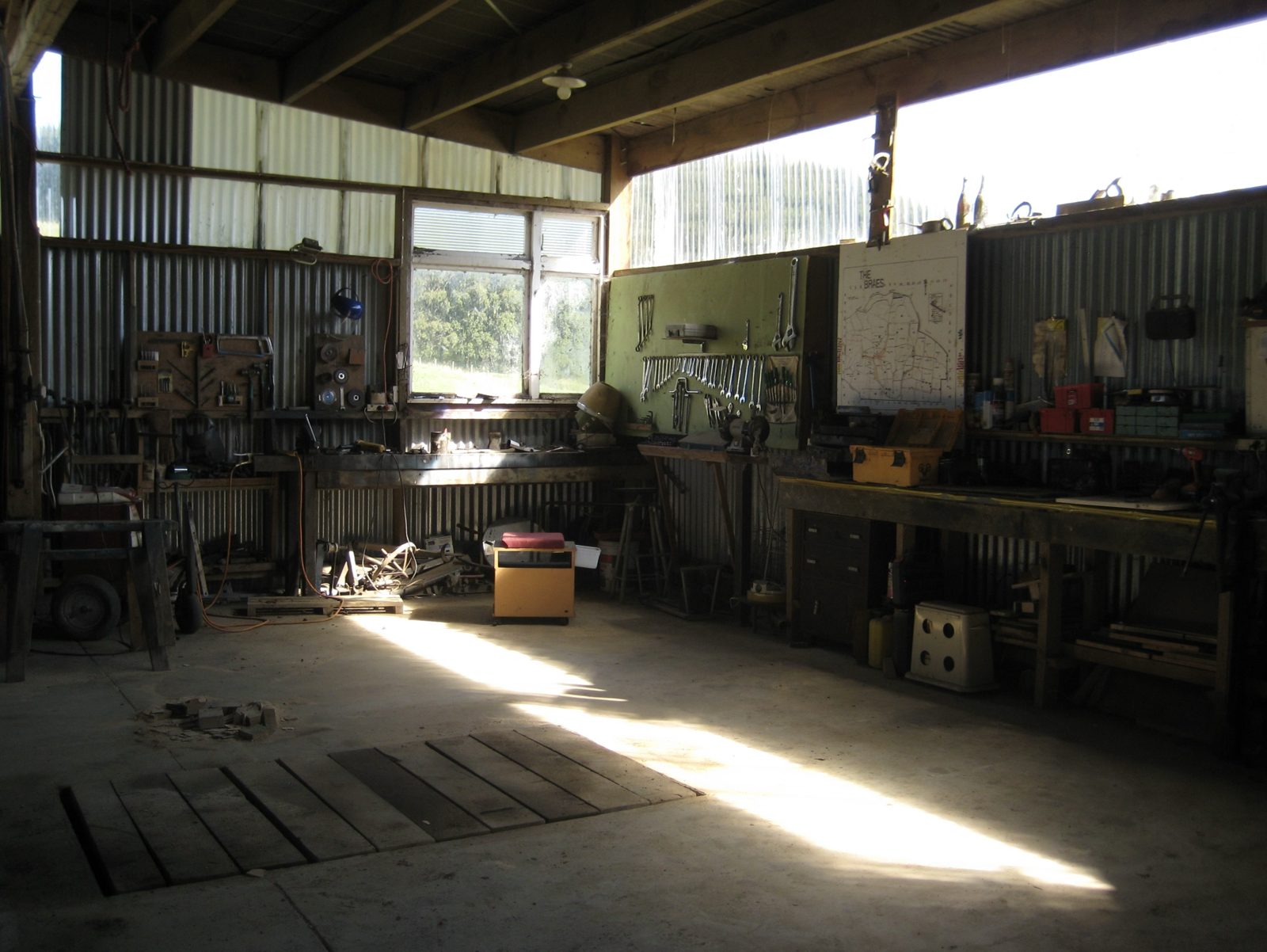
A simple tool is understandable. Because you understand it, you can fix it, adapt it, and use it for things its maker never imagined. It fits into whatever world it lands in.
A complex machine is a mystery. It depends on its own ecosystem: specialists, special skills, special tools for the tool. When it fails, it fails completely, and the person who depends on it can only wait.
Complexity isn't always wrong. Some jobs need it. But every bit of it is paid for by the person using it, usually at the worst possible moment.
What restraint looks like in software
In software, complexity arrives one reasonable feature at a time. Each option makes sense to someone. Together they bury the thing the user came to do.
Restraint is the practice of saying no on the user's behalf:
- One thing that matters, made obvious. On any screen, the most important information and action should be findable at a glance. Everything else steps back.
- Change one attribute at a time. If something needs emphasis, change its weight, or its color, or its position. Not all three. Stacked emphasis is noise.
- Every element earns its place. If removing it wouldn't hurt anyone's work, remove it.
- Prefer understandable to clever. People trust what they can predict. A system users can reason about is one they can recover from when something goes wrong.
Why it matters more in operations
The people I most like designing for work the way my father did: in the field, under time pressure, with real consequences when something breaks. Clerks running a live public meeting. Teams deploying software that thousands of customers depend on. Technicians maintaining equipment that has to be safe.
For them, a cluttered interface isn't an aesthetic problem. It's a missed step, a wrong value, a delay. Restraint is how you respect their attention.